
From symptoms to sequences
When data reinvents epidemic surveillance.
The survival era
Observe · Isolate · Survive
Sparse and isolated data: accounts and local observations of symptoms
First documented outbreak
The Plague of Athens kills a quarter of its population (~75,000 deaths) 
The Plague in an Ancient City – Michiel Sweerts (between 1652 and 1654)
Credit: Wikimedia Commons
First continent-wide outbreak
The Black Death decimated a third of Europe (>30 million deaths)

The Triumph of Death – Pieter Brueghel the Elder (1562) – Web Gallery of Art
Credit: Wikimedia Commons
The understanding era
Understanding · Treating · Vaccinating
The emergence of microbiology and the first treatments developed
The origins of vaccination
Jenner’s first smallpox vaccination

Edward Jenner vaccinating James Phipps, an eight-year-old boy, on 14 May 1796.
Lithograph (Gaston Mélingue) (late 19th century)
Credit: Wikimedia Commons
What triggers an illness?
The first identification by Koch and Pasteur of the agents responsible for infectious diseases

Portrait of Robert Koch (1843–1910)

Portrait of Louis Pasteur (1822–1895)
Credits: Wikimedia Commons
The advent of antibiotics...
The discovery of penicillin and the rise of antibiotics

Credit: Christina-victoria-craft
... and their resistance
First documented cases of antibiotic resistance
The genomics era
Sequence · Compare · Detect
Data volumes explode as pathogen gene sequencing becomes ever faster
The genetic identity of the first pathogen revealed
Sequencing (genetic analysis) of the first pathogenic bacterial genome (Haemophilus influenzae)

Credit: iStock
Severe Acute Respiratory Syndrome (SARS): initial emergency sequencing
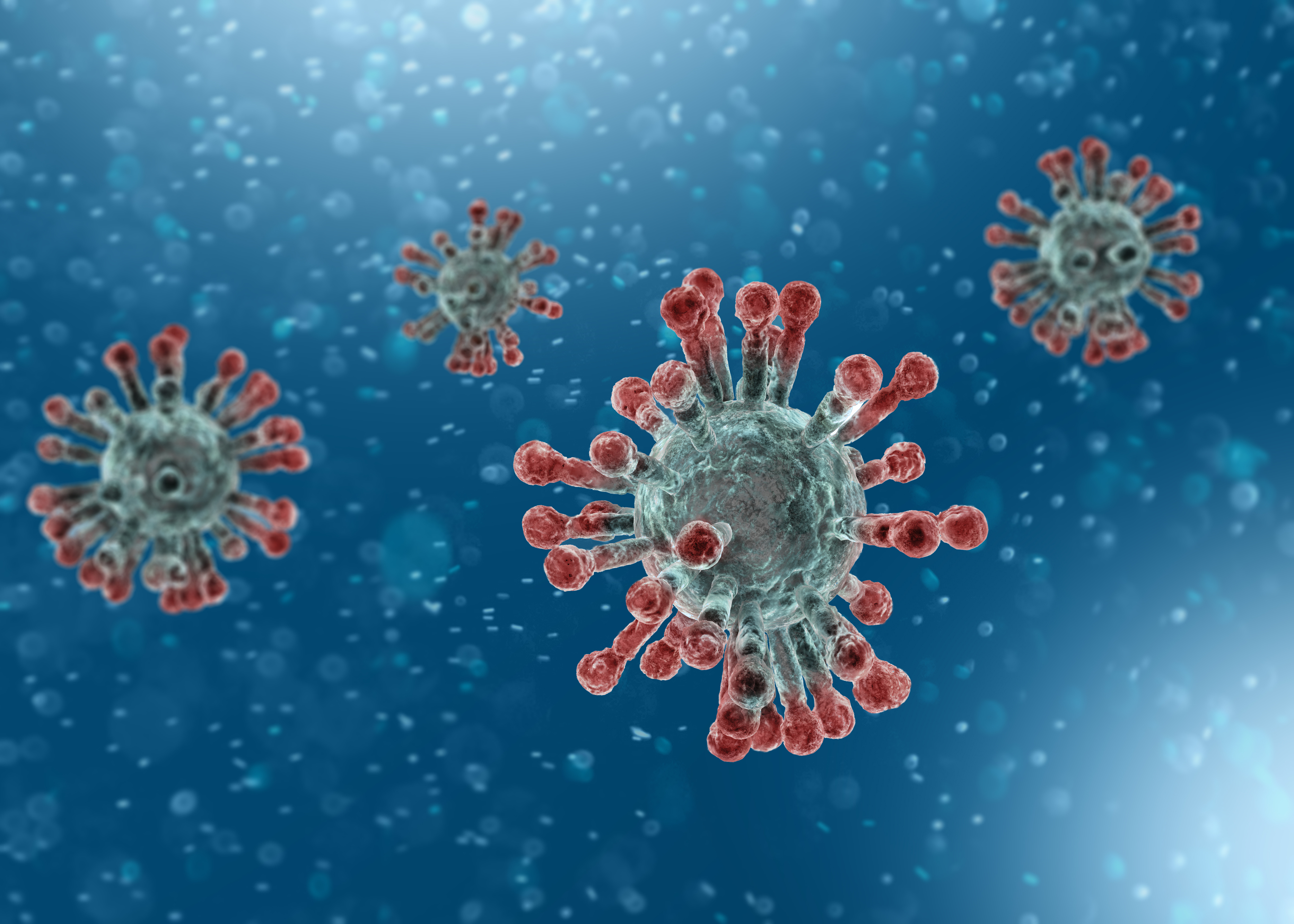
Credit: iStock
Ebola outbreak: first real-time genomic monitoring of the virus
The cooperation area
Share · Connect · Collaborate
Massive, interconnected data to track epidemics
Start of pathogen monitoring
Launch of the WHO’s GLASS system for monitoring antimicrobial resistance
COVID-19 pandemic: global effort to accelerate genomic surveillance

Credit: iStock
National centralisation
Establishment of a national surveillance system for SARS-CoV-2 and its variants: the Swiss Pathogen Surveillance Platform (SPSP), which reports to the Federal Office of Public Health (FOPH)
Centralised genomic analysis of multiple infectious agents (bacteria, viruses) in clinical and non-clinical samples (food, wastewater).
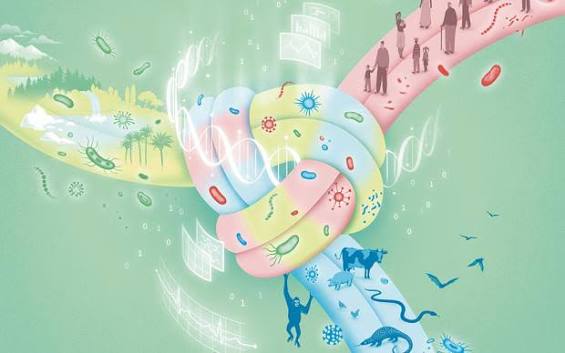
Launch of a global infectious disease data network project led by Switzerland (Pathogen Data Network)
The anticipation area
Prepare · Simulate · Protect
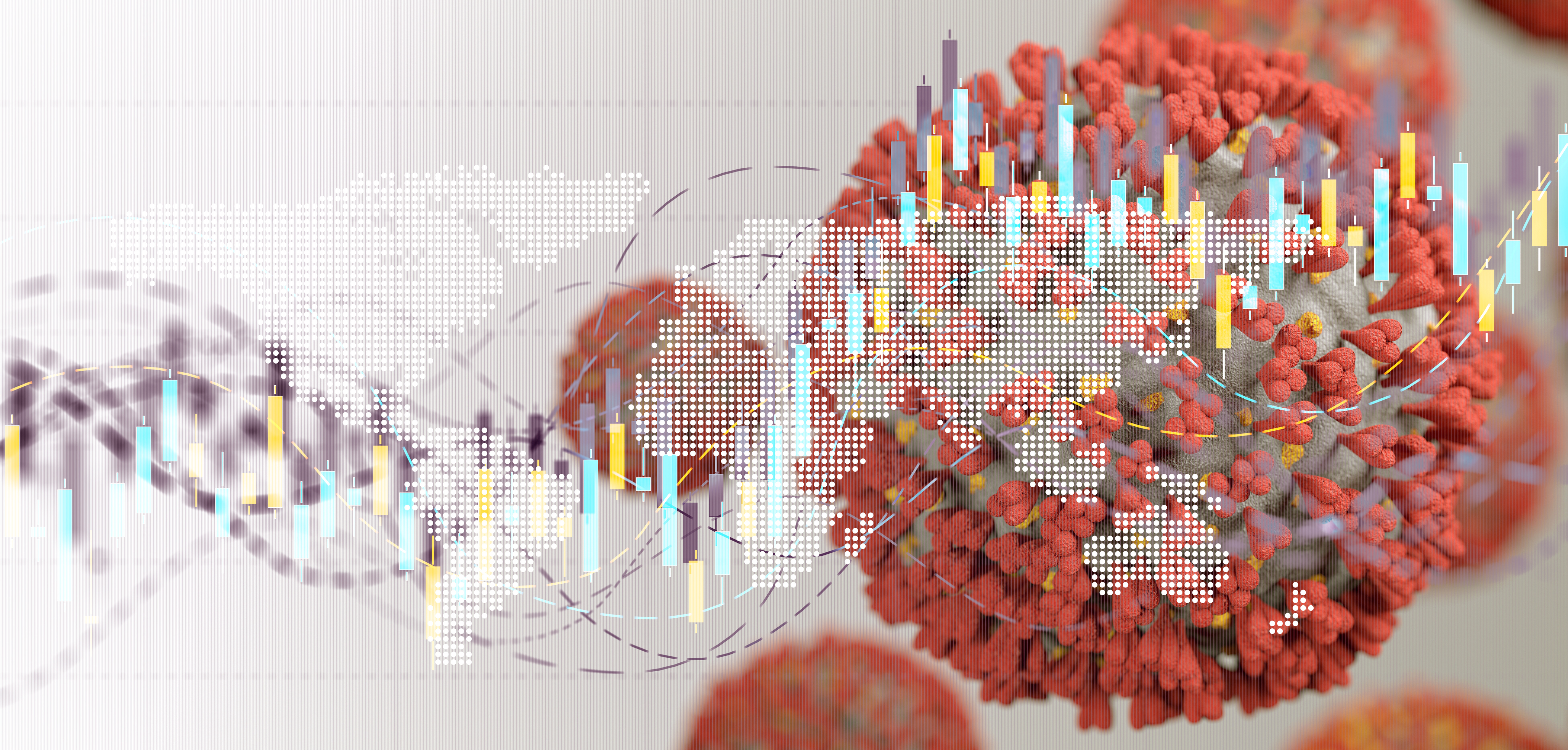
Data is becoming dynamic and predictive
Real-time monitoring of integrated data from the environment, humans and animals: the ‘One Health’ approach
AI-based predictive models to anticipate risks (e.g. infectivity, resistance)
Credit: iStock