
From notebooks to genomes
How data has transformed our relationship with life
The description era
Marvel · Describe · Classify
Drawings and notes: the environment as seen by the human eye
Aristotle describes various animal species for the first time
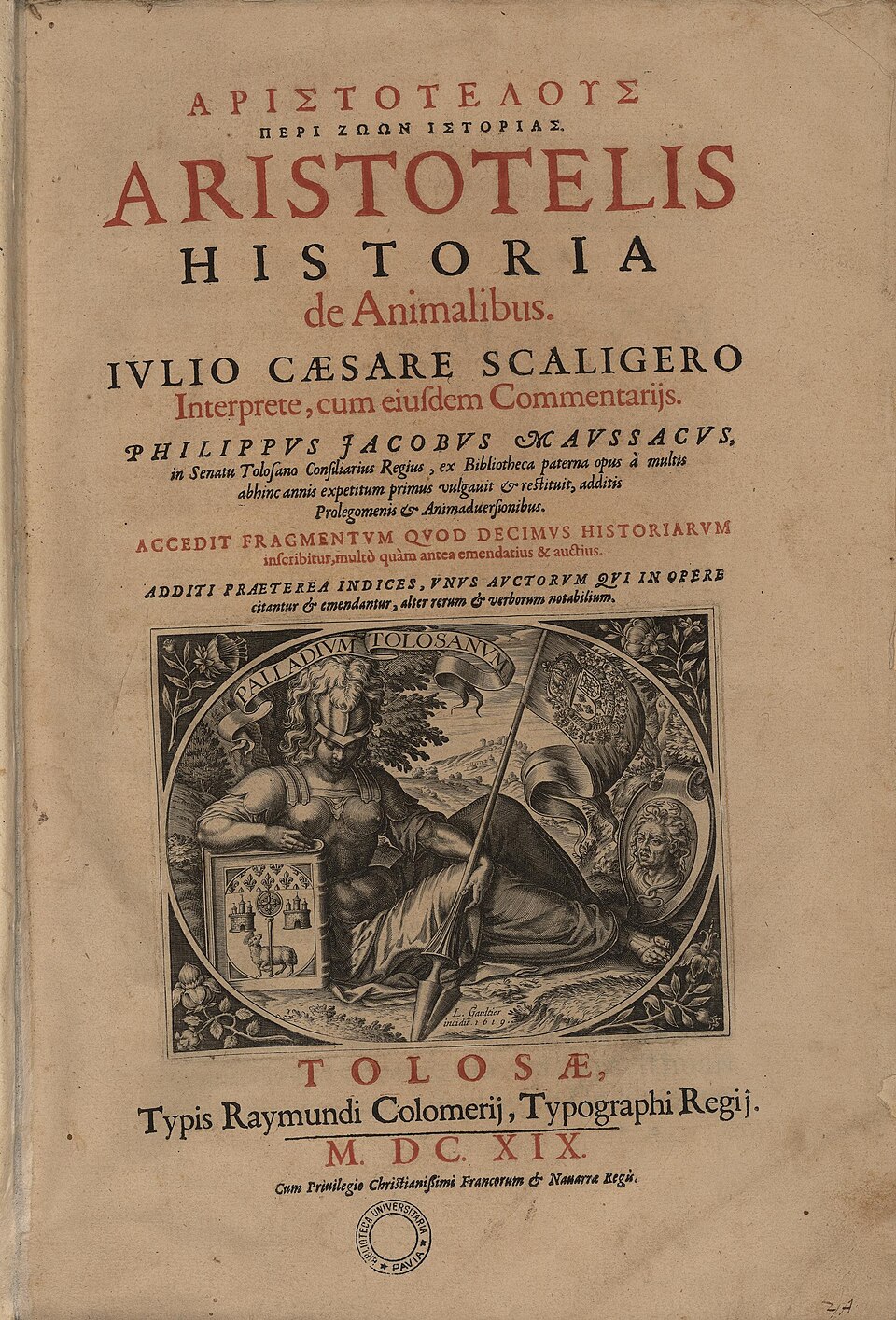
Cover of the book ‘History of Animals’ – Historia animalium (Aristotle) (Reprint from 1619)
Carl von Linné laid the foundations for the first classification of living organisms
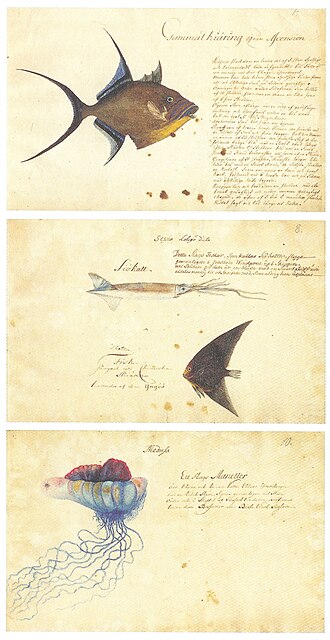
Fish, cephalopods and jellyfish classified by Linnaeus (Carl Gustav Ekeberg) around 1749
Darwin explains the evolution of species through natural selection
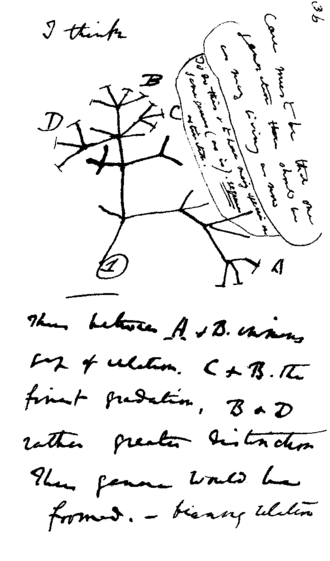
Diagram showing one of the very first phylogenetic trees, from Charles Darwin’s notebook (1837)
Credit: Wikimedia Commons
The conservation era
Understand · Record · Preserve
Living heritage is something to be documented and preserved at a local level
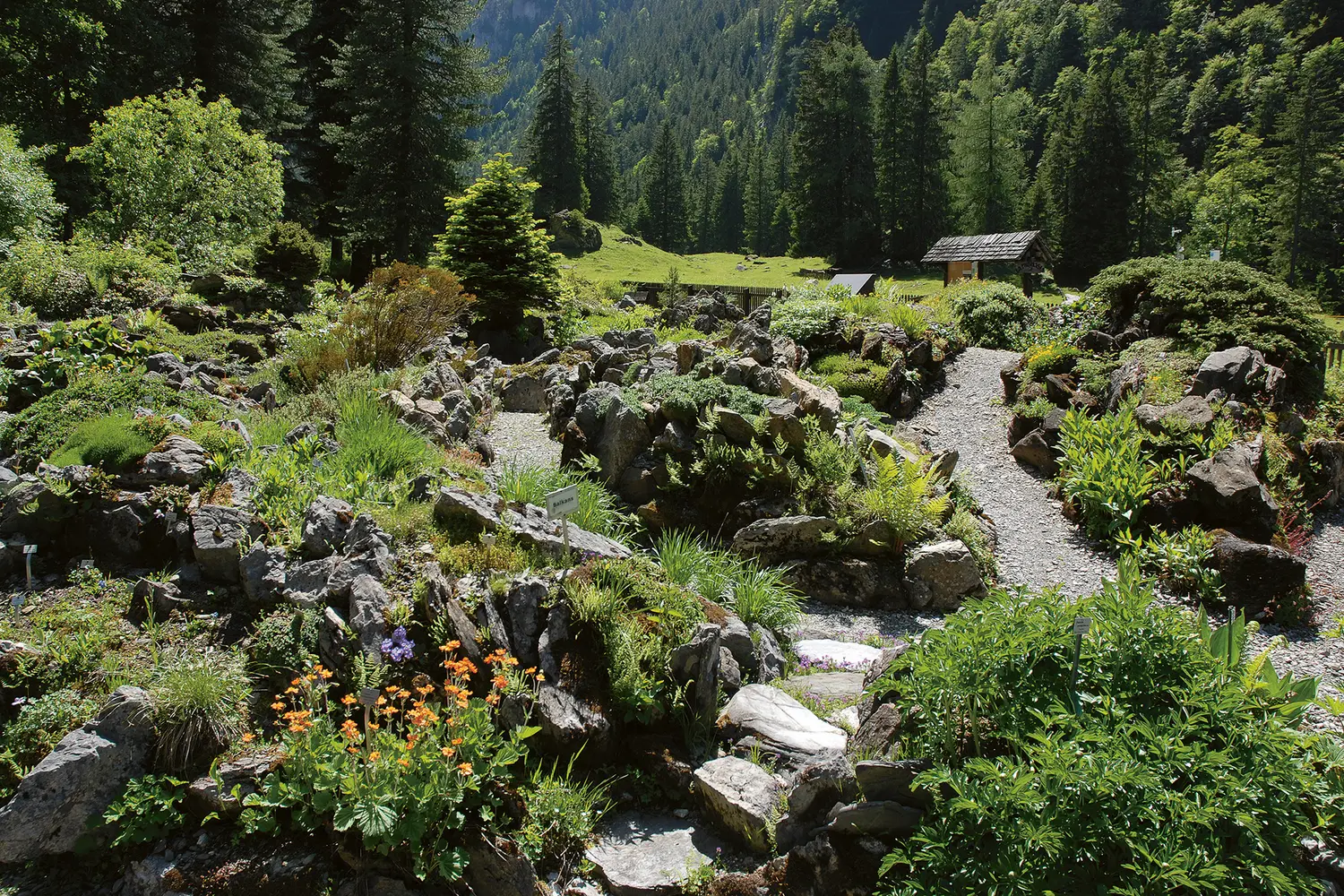
Swiss National Park: one of Europe’s first national parks
The measurement era
Measure · Monitor · Regulate
Inventories, pollution, climate: the environment is becoming quantifiable

Establishment of monitoring networks for air, water and soil quality
Credit: iStock
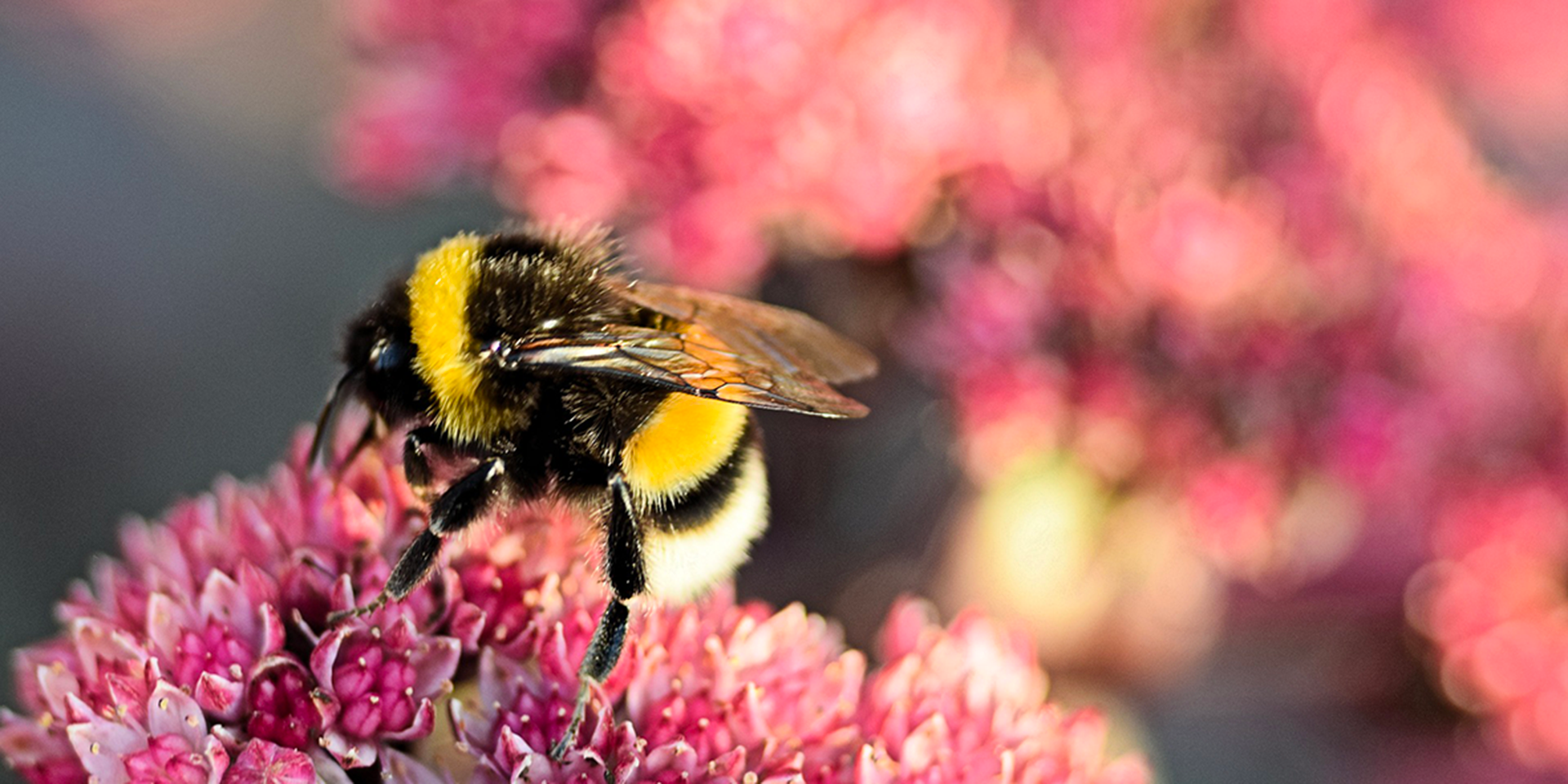
The Age of Digitalisation
Digitise · Standardise · Share
Life is beginning to be “stored as data”
Large-scale digitisation of natural history museum collections
Co-creationof UniProt (Switzerland, the United Kingdom and the United States), a global protein database designed to help us understand the mechanisms of life
Initial environmental DNA analyses to identify species
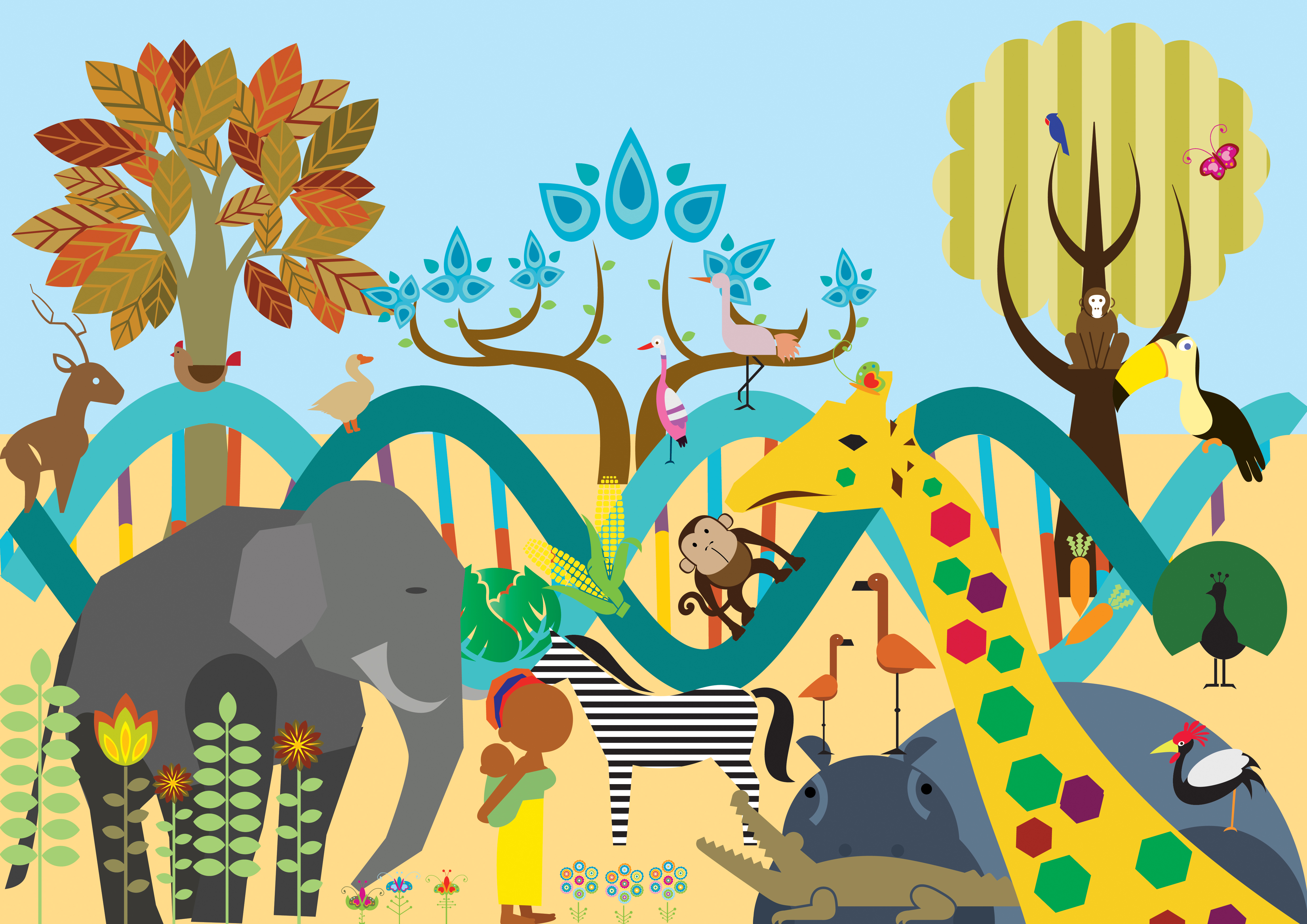
Credit: iStock
The globalization era
Collect · Link · Connect
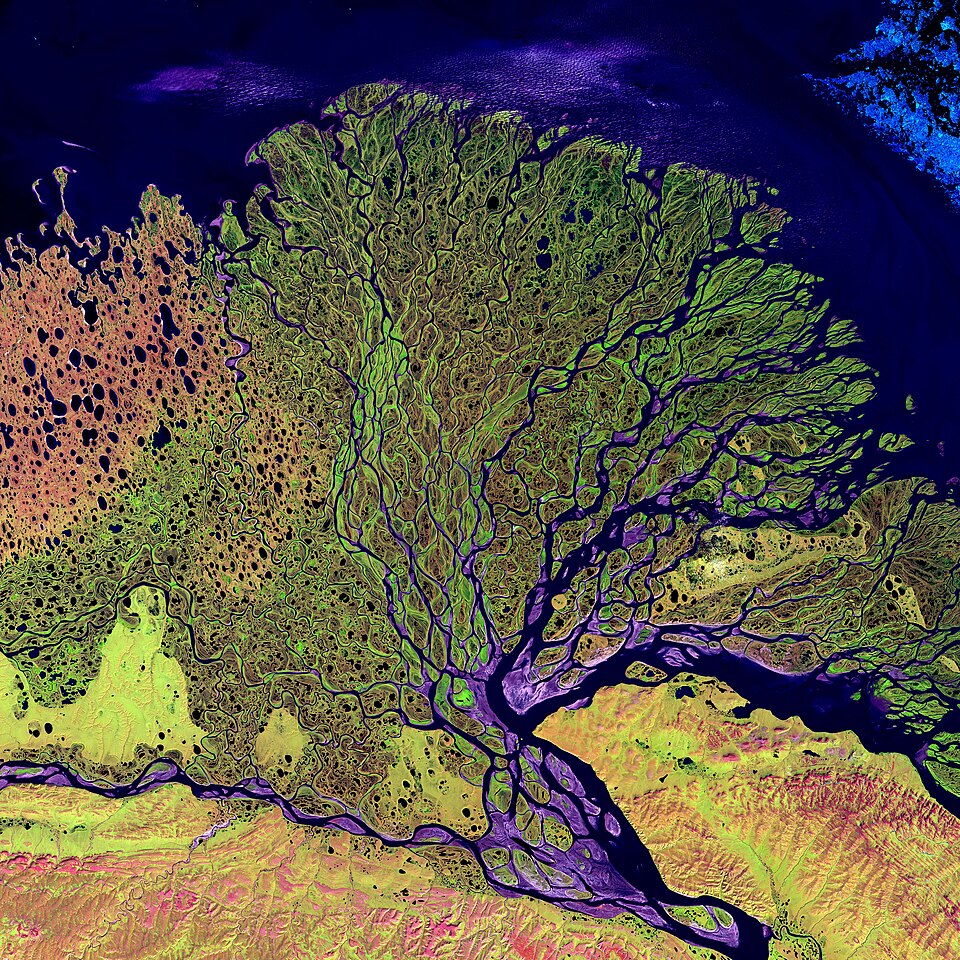
Sensors, satellites, AI: billions of global data points to be integrated and analysed
The European Copernicus Programme: Earth and environmental observation by satellite
AI can be used to identify areas that should be prioritised for protection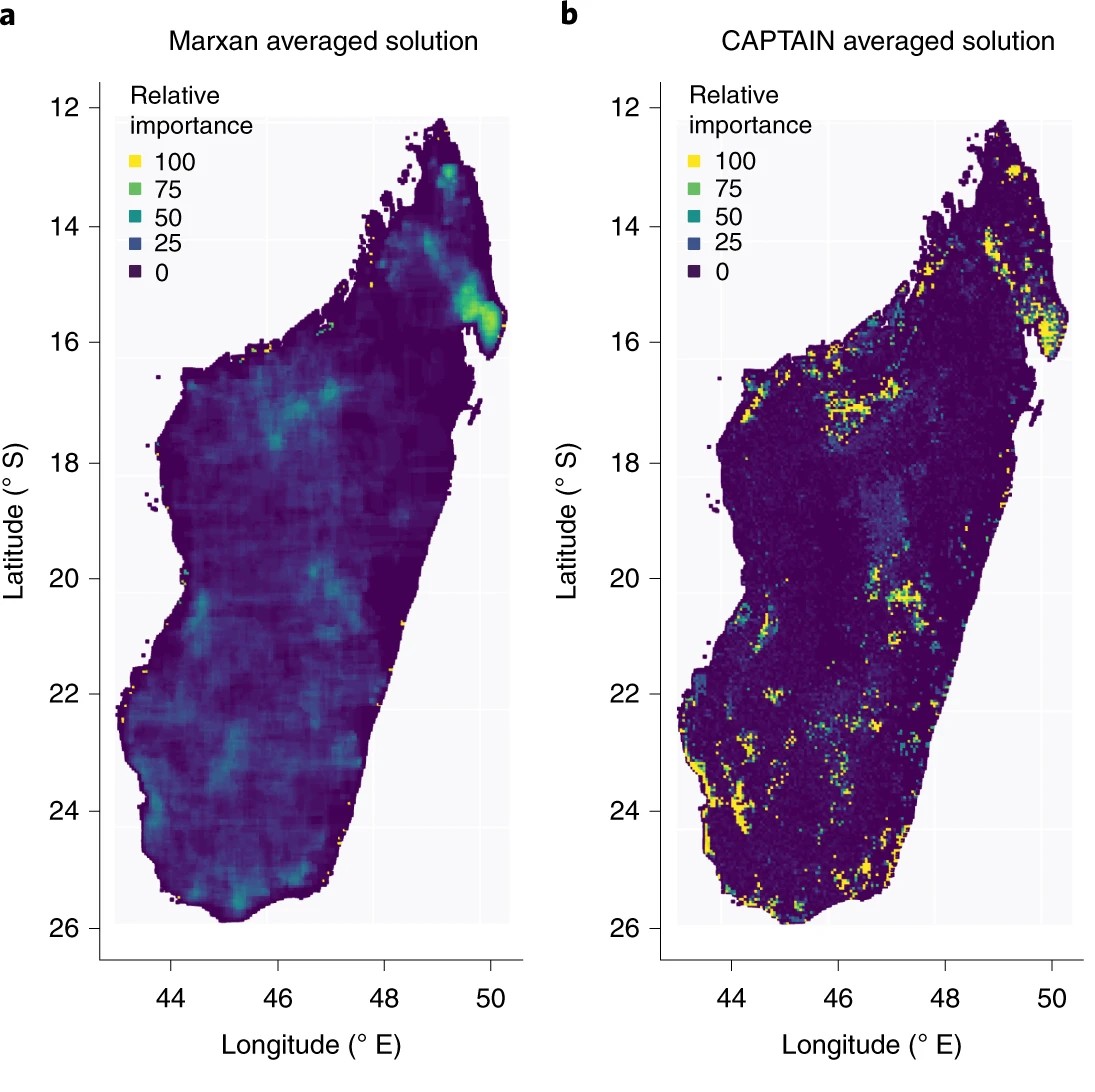
Maps illustrating the ranking of priority areas for protection in Madagascar, based on the distribution of endemic species and a limited budget allowing up to 10 per cent of the total land area to be designated as protected areas.
Credit: Adapted from Silvestro et al., ‘Improving biodiversity protection through artificial intelligence’. Nat Sustain (2022)
Launch of Biodiversity Meets Data: (near) real-time monitoring of biodiversity using bioinformatics and AI
The prediction era
Anticipate · Restore · Innovate
Comprehensive predictive models: data to anticipate risks and guide action
2030: Global target to protect 30 per cent of land and oceans using data
Digital twins of ecosystems: simulations incorporating as much biological data as possible to predict how they will evolve and better conserve them
Credit: Unsplash