
From scalpel to algorithms
How data has transformed the fight against cancer
The Pioneering Era
Observe · Locate
‘Just’ one type of cancer: scarce and isolated data
The microscope reveals cancer cells
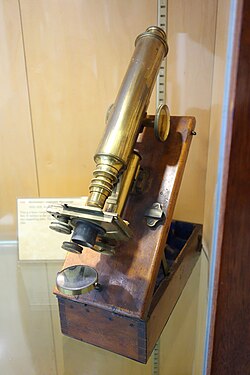
Microscope (1850–1870) from the Golub collection of antique microscopes, on display at the University of California, Berkeley – Berkeley, California, United States
Conrad Röntgen discovered X-rays. These would later make it possible to observe tumours beneath the skin
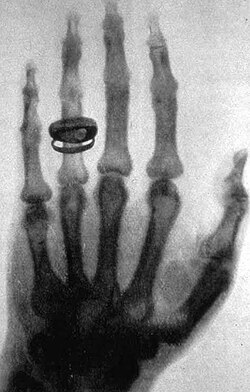
X-ray of Albert von Koelliker’s left hand (taken by Conrad Röntgen on 23 January 1896)
Surgery and radiotherapy: the tumour is either removed or treated with radiation
‘Standard’ chemotherapy: it targets rapidly dividing cells, but at the cost of severe side effects
The Age of Classifications
Study · Categorise · Compare
From cancer to cancers: the emergence of data
First cantonal cancer registry: systematic collection of cases and patient data (Basel)
National cancer registry

The Age of Genetics
Read the DNA · Understand · Target
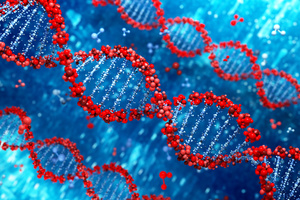
DNA is becoming a form of data; cancers are becoming genetic diseases
Discovery of the first oncogene: a mutation in the DNA of this gene can trigger cancer
It is the src gene, responsible for cancer in the Rous sarcoma virus (Stehelin et al., Nature, 1976)
The digital age
Scan · Share · Collaborate
The data explosion: the fight against cancer is becoming a computational challenge
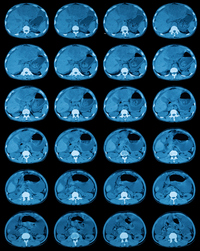
Digitisation of medical data (clinical, biological and imaging)
Imatinib:the first therapy to target a specific mutation (chronic myeloid leukaemia)
Publication of the human genome: > 700 cancer-related genes identified
The era of precision oncology
Analyse · Model · Customise
Data are becoming a therapeutic tool
Starting immunotherapy: the immune system learns to attack tumour cells
Oncobench® and the Romandy Molecular Tumour Board: mutation-guided treatments
Artificial intelligence helps to analyse billions of data points to guide treatment
The predictive and connected era
Monitor · Prevent · Simulate
Data analysed continuously to anticipate
"Digital twins": virtually testing treatments on a patient’s profile
Predictive medicine combining genetic, environmental and clinical data to predict the onset of cancer