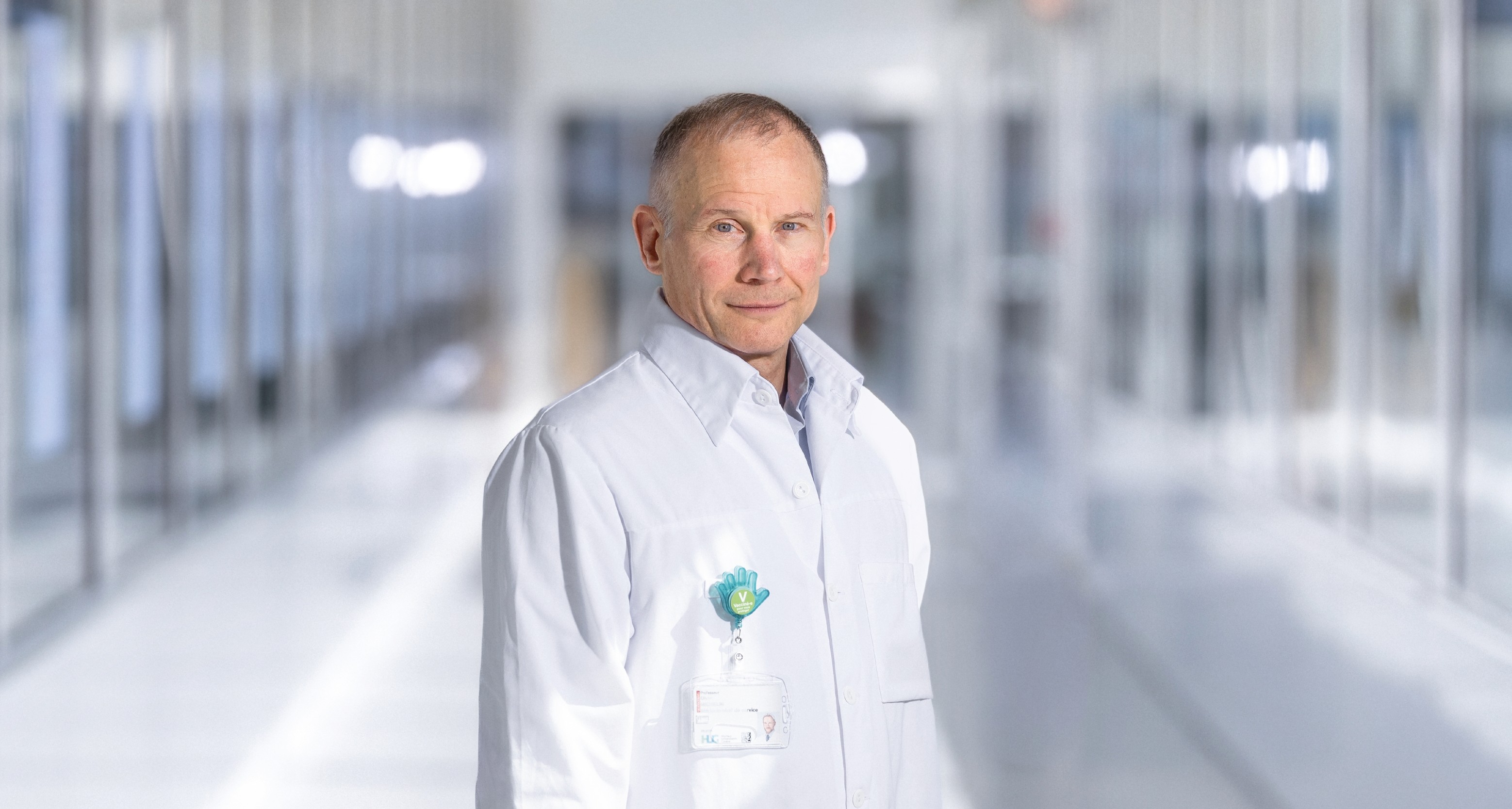
In precision oncology, data lies at the heart of clinical decision-making. Thanks to the tumour’s molecular profile, we no longer treat ‘a cancer’, but the specific cancer affecting each individual patient. AI reinforces this approach by incorporating thousands of parameters to refine the choice of treatment.
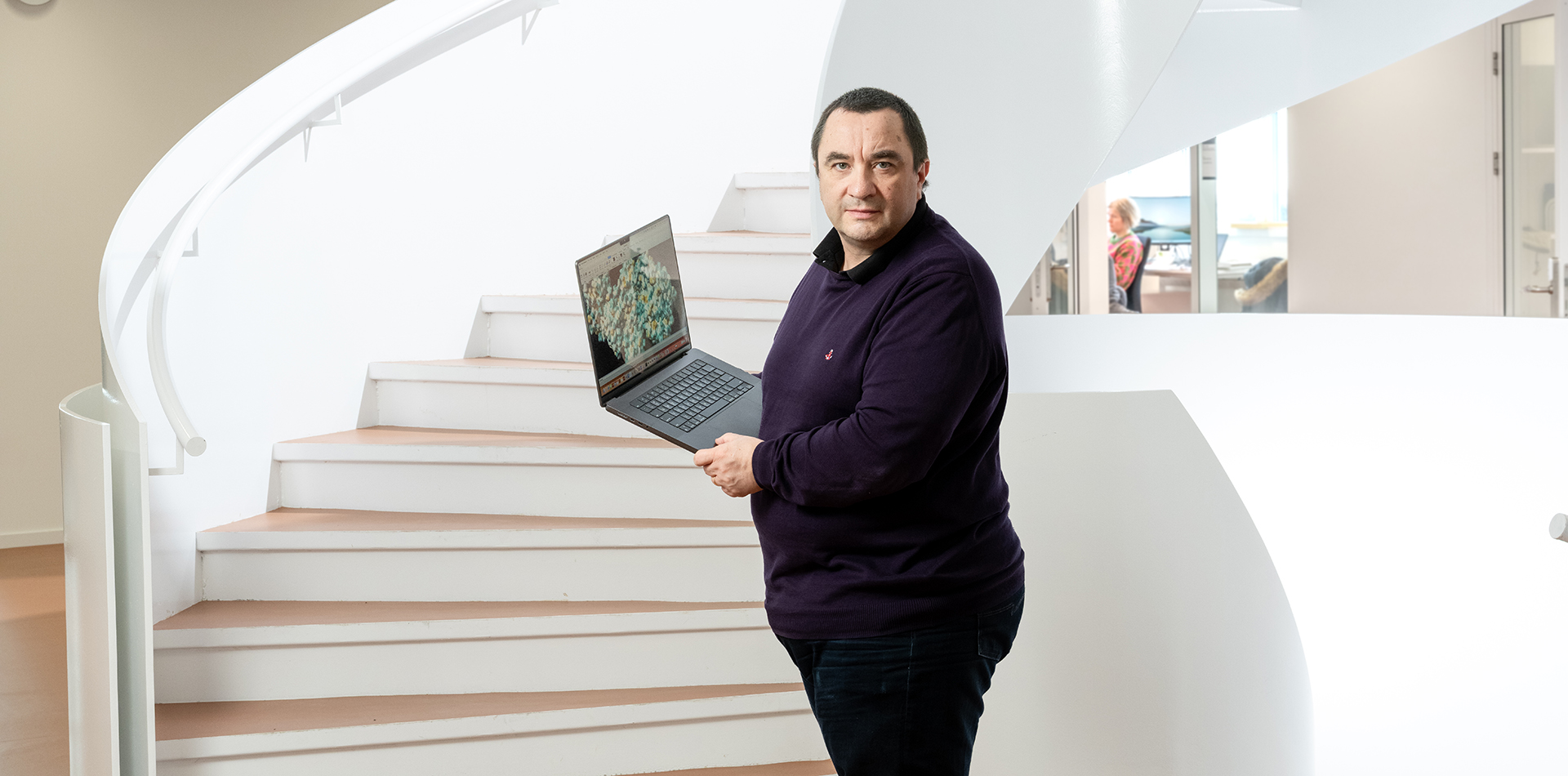
Our work is a bit like that of a detective: we set out to discover what it is in the tumour’s DNA that makes it unique, and then identify, from among existing drugs, those that are most likely to be effective. Doctors can then use this ‘evidence’ to guide treatment.

After several unsuccessful treatments, a detailed analysis of my tumour data revealed that immunotherapy – which is effective in only 1 per cent of patients with a similar type of cancer – might work in my case. This approach gave me hope again and proved to be effective.